A new treatment option for persistent heel pain and tendon problems.
Stillorgan Podiatry Clinic is pleased to introduce therapeutic shockwave therapy, a non-invasive treatment option for patients experiencing persistent foot and lower-limb pain.
If heel pain is affecting your first steps in the morning, walking comfortably or returning to exercise, shockwave therapy may be an option worth exploring.
What is shockwave therapy?
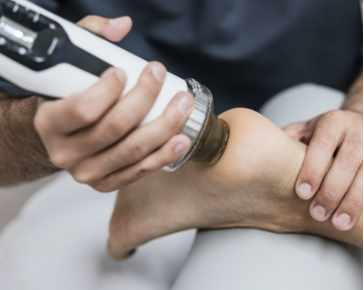
Extracorporeal shockwave therapy (ESWT) uses acoustic pressure waves delivered through the skin to a targeted area. It helps to influence pain signalling and local tissue responses, and is a great addition to a tailored treatment plan.
Research suggests shockwave therapy can help reduce pain and improve function in some patients with persistent musculoskeletal conditions, particularly plantar heel pain (formerly plantar fasciitis) that has not responded adequately to initial conservative treatment.
What conditions can it help?
Shockwave therapy may be considered for selected conditions, including:
Plantar fasciitis: Persistent pain under the heel, often worse during the first steps in the morning or after rest.
Achilles tendinopathy: Pain and stiffness affecting the Achilles tendon at the back of the heel.
Other tendon-related conditions: Selected cases where shockwave therapy may complement a broader rehabilitation programme depending on your specific diagnosis.
Suitability depends on your diagnosis, symptoms and medical history. Shockwave therapy is not appropriate for every condition and does not guarantee pain relief.
What happens during treatment?
Treatment begins with an assessment to identify the likely cause of your symptoms and determine whether shockwave therapy is appropriate.
During the procedure, a coupling gel is applied to the skin and a handheld applicator delivers pressure waves to the affected area. Sessions are generally brief, although the number and frequency required will depend on your condition and treatment plan.
You may experience some discomfort during treatment, followed by temporary soreness, redness or mild swelling. Your podiatrist will explain what to expect and discuss any relevant precautions.
Shockwave therapy is often most useful as part of a comprehensive treatment plan, which may include strengthening exercises, footwear advice, orthotics, load management and other appropriate interventions.
Is shockwave therapy right for you?
If persistent heel or tendon pain is limiting your daily activities, a podiatric assessment can help identify the cause and explore suitable treatment options.
At Stillorgan Podiatry Clinic, we take an individualised approach to foot health. Our priority is to understand your symptoms, discuss the available evidence and recommend a treatment plan suited to your needs.
Contact Stillorgan Podiatry Clinic to arrange an assessment and find out whether shockwave therapy may be suitable for you.