Nail Surgery: A Permanent Solution for Painful Ingrown Toenails
If you've ever experienced an ingrown toenail, you'll know just how painful it can be. Even simple activities such as walking, exercising or wearing shoes can become uncomfortable, and recurring infections can significantly impact your quality of life.
Many people spend months or even years trying to manage the problem themselves by trimming the nail, using antiseptics or repeatedly taking antibiotics. While these measures may provide temporary relief, they rarely address the underlying cause.
At Stillorgan Podiatry Clinic, nail surgery offers a safe, effective and permanent solution for many patients suffering from recurring ingrown toenails.
What is an ingrown toenail?
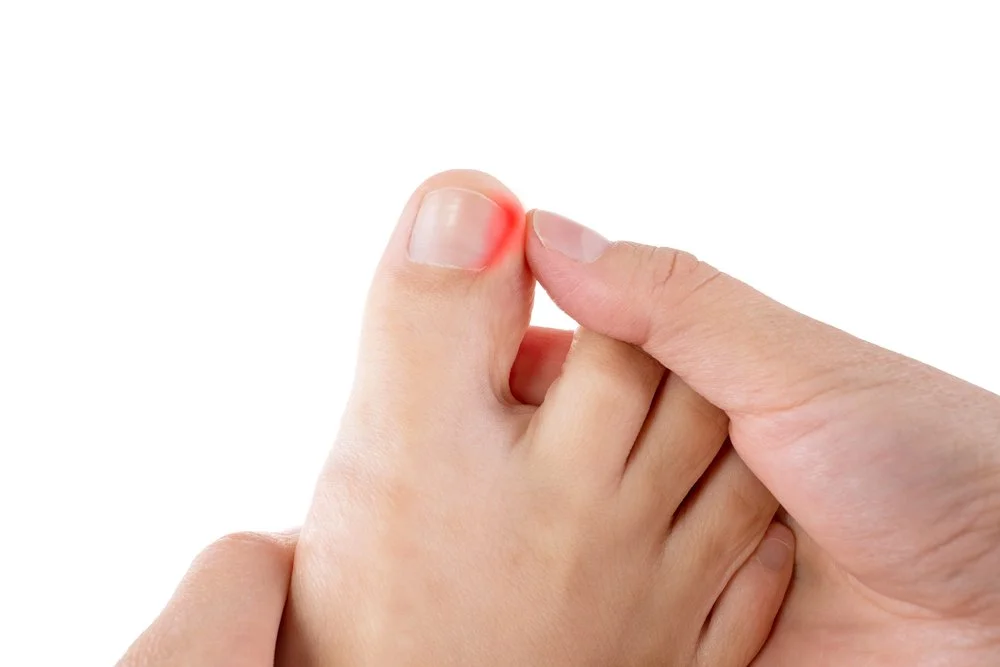
An ingrown toenail occurs when the edge of the nail grows into the surrounding skin instead of over it. This causes inflammation, pain and often infection.
Common symptoms include:
Pain when pressure is applied to the toe
Redness and swelling around the nail
Tenderness along one or both sides of the nail
Bleeding or discharge
Infection with pus or excessive granulation tissue
Difficulty wearing shoes or participating in sport
Pain when pressure is applied to the toe
Redness and swelling around the nail
Tenderness along one or both sides of the nail
Bleeding or discharge
Infection with pus or excessive granulation tissue
Difficulty wearing shoes or participating in sport
Although the big toe is most affected, ingrown nails can occur on any toe.
Why do ingrown toenails keep coming back?
There are several reasons why an ingrown toenail may become a recurring problem, including:
Naturally curved or involuted nails
Genetic nail shape
Previous nail trauma causing permanent damage
Tight or poorly fitting footwear
Incorrect nail cutting
Sporting activities that place repeated pressure on the toes
If the underlying shape of the nail is the cause, simply removing the ingrown section provides only temporary relief. As the nail grows back, the same problem often returns.
When should nail surgery be considered?
Nail surgery may be recommended if:
You experience repeated ingrown toenails
The problem keeps returning despite routine podiatry treatment
You have frequent infections
The pain is affecting work, exercise or daily activities
Conservative treatments have failed to provide lasting relief
Many patients delay treatment because they assume surgery will be painful or require a long recovery. Modern nail surgery is a straightforward procedure with excellent long-term success rates.
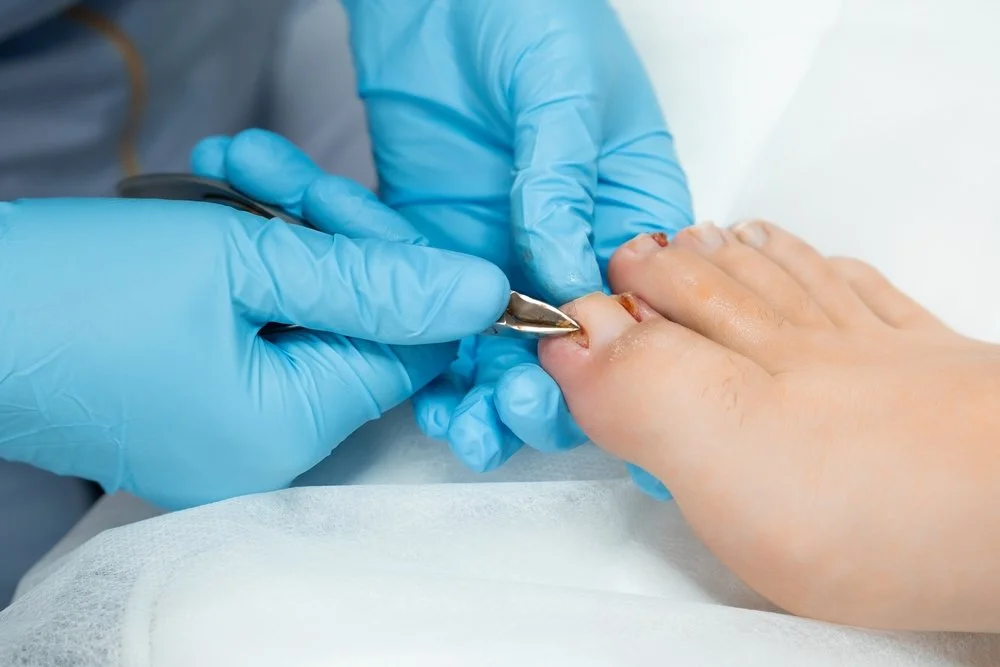
What does nail surgery involve?
Before proceeding, you will attend a dedicated assessment appointment where we review your medical history, examine the nail and discuss whether surgery is the most appropriate option.
The procedure itself is performed under local anaesthetic, meaning the toe is completely numb throughout the treatment.
Depending on the nature of your ingrown toenail, the procedure may involve:
Removing a narrow section of the nail (partial nail avulsion), or
Removing the entire nail (total nail avulsion) where clinically indicated
To prevent the troublesome section of nail from growing back, a chemical called phenol is carefully applied to the nail matrix (the growth centre of the nail). This process is known as phenolisation and is what makes the procedure a permanent solution for most patients.
The procedure typically takes less than an hour, and you can walk out of the clinic immediately afterwards.
-
One of the biggest concerns patients have is pain.
The only uncomfortable part of the procedure is usually the administration of the local anaesthetic.
Once the toe is numb, you should not feel pain during the surgery itself.
After the anaesthetic wears off, most patients experience only mild discomfort, which is usually well managed with simple pain relief if required.
-
Healing after nail surgery is generally straightforward, but it does require some care.
Following the procedure you will receive detailed written and verbal aftercare instructions.
During the healing period you should expect:
A sterile dressing applied immediately after surgery
Regular dressing changes
A small amount of drainage from the toe for several weeks (this is a normal part of healing following phenolisation)
Gradual return to normal footwear as comfort allows
Most patients can return to desk-based work within a day or two. More strenuous activities, including running, gym training and contact sports, are usually postponed for approximately 4–6 weeks, depending on healing.
Your podiatrist will monitor your recovery at follow-up appointments to ensure the toe is healing as expected.
-
Nail surgery with phenolisation has a very high success rate and is considered the gold standard treatment for recurrent ingrown toenails.
While no procedure can guarantee a 100% permanent result, most patients experience complete resolution of their symptoms and do not require further treatment.
-
Although nail surgery is appropriate for many patients, it is not suitable in every case.
Certain medical conditions, medications or circulation issues may influence the safest treatment approach. This is why a thorough pre-operative assessment is an essential part of your care.
If nail surgery is not the best option, we will discuss alternative treatments and, where appropriate, arrange referral to another healthcare professional.
-
At Stillorgan Podiatry Clinic, patient comfort and safety are our priority.
We provide:
A comprehensive pre-operative assessment
Clear explanation of all treatment options
Local anaesthetic procedures performed in a sterile clinical environment
Detailed aftercare instructions
Follow-up appointments to monitor healing
Ongoing support throughout your recovery
Our aim is to resolve your pain permanently, allowing you to return to walking, exercising and everyday life without the constant worry of recurring ingrown toenails.
If you're tired of dealing with recurring ingrown toenails, it may be time to consider a permanent solution.
Contact Stillorgan Podiatry Clinic today to arrange an assessment. We'll examine your toe, discuss your treatment options and help you decide whether nail surgery is the right choice for you.